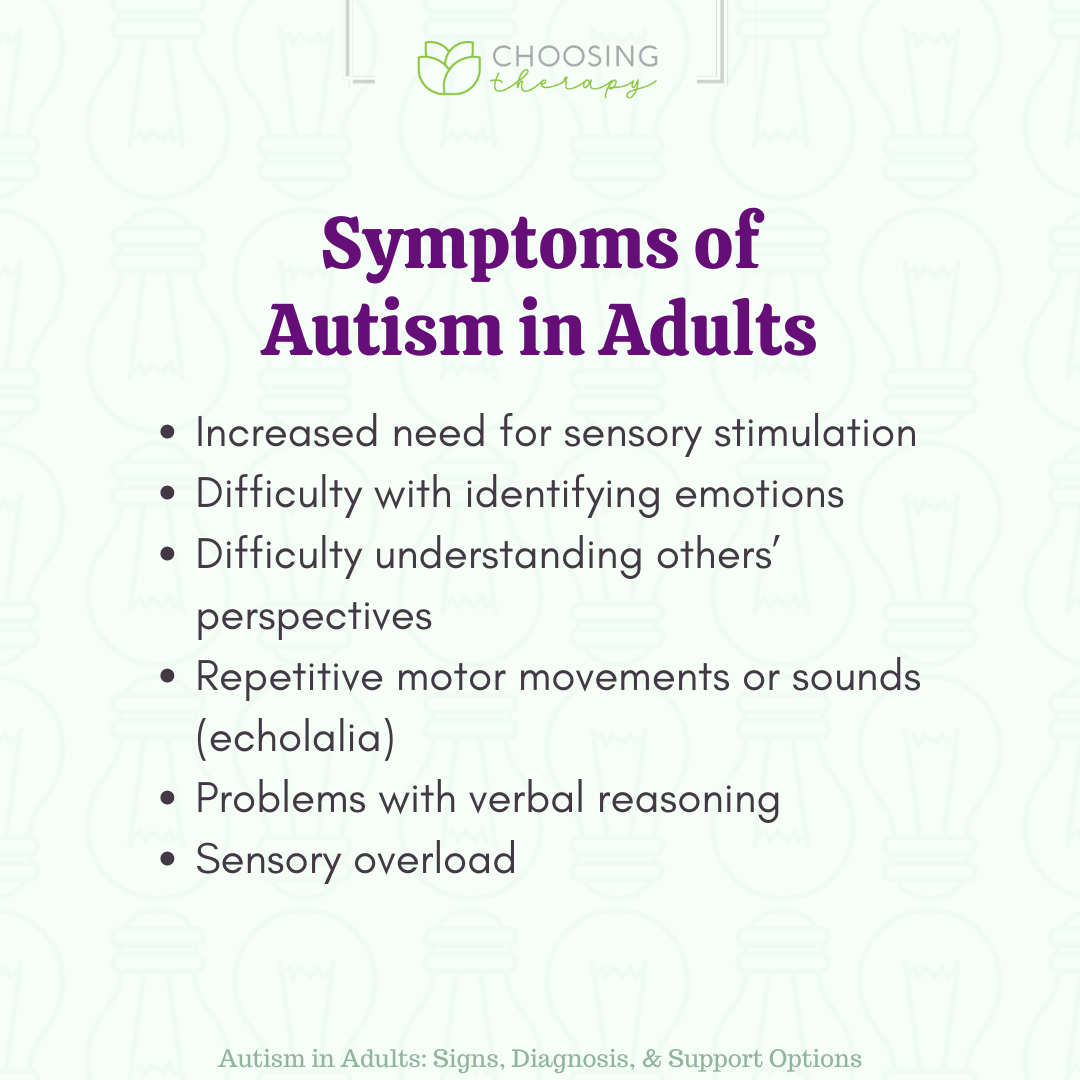
When you first step into the world of caregiving for an autistic woman, the road can feel like a maze with no exit sign. You’re juggling schedules, therapies, and the everyday hustle, all while trying to keep your own sanity intact. Finding support for caregivers of autistic women is not just a nice‑to‑have—it’s a necessity. This guide will walk you through the landscape, show you where to look, and give you actionable steps to build a robust support system that keeps you—and your loved one—thriving.
Understanding the Landscape
Unique Challenges Faced by Caregivers
Caregiving for autistic women often involves navigating sensory sensitivities, communication nuances, and gender‑specific social expectations. Unlike many caregiving narratives that focus on male caregivers, the emotional toll on women who care for autistic women can be compounded by societal expectations of nurturing and multitasking.
- Sensory overload can affect both the autistic woman and the caregiver. Communication gaps may arise when interpreting non‑verbal cues. Social isolation is common, as caregivers may feel “different” from their peers.
The Importance of Tailored Support
Support that works for a caregiver of a child with autism may not translate seamlessly to caring for an adult woman. Tailored support acknowledges the unique intersection of autism, gender, and adult life—work, relationships, and personal identity. It’s like customizing a suit instead of buying a one‑size‑fits‑all jacket.
> “The greatest gift we can give is a listening ear.” – Dr. Lila Patel, Clinical Psychologist
This quote reminds us that sometimes the most powerful support is simply being heard, without judgment or preconceived solutions.
Where to Look: Resources and Communities
Professional Services
Professional help is the backbone of many caregiving strategies. Look for specialists who understand both autism and adult women's health:
- Occupational Therapists focusing on sensory integration. Speech‑Language Pathologists who can aid in alternative communication methods. Psychologists specializing in adult autism. Social Workers who can connect you to financial and housing resources.
Peer Support Groups
Connecting with others who share similar experiences can be a lifeline. Peer groups offer empathy, practical tips, and a sense of belonging.
- Local support groups run by community centers or hospitals. National organizations such as the Autistic Women & Nonbinary Network (AWNBN). Meetup.com groups dedicated to caregiver support.
Online Communities
If distance or schedule constraints make in‑person meetings difficult, online forums are a viable alternative.
- Facebook groups like “Caregivers of Autistic Women.” Reddit communities such as r/autismcaregivers. Dedicated apps (e.g., Care Companion) that provide task tracking and community chat.
Building a Personal Support Network
Family and Friends
Your immediate circle can be a powerful resource if engaged properly.
- Educate them about autism and your caregiving role. Ask for specific help (e.g., grocery runs, respite care). Set boundaries to avoid burnout.
Self‑Care Practices
You cannot pour from an empty cup. Prioritize activities that recharge you:
- Mindfulness or meditation apps. Regular exercise—think of it as a “fuel stop” for your energy tank. Scheduled “me time,” even if it’s just a 10‑minute coffee break.
Overcoming Barriers to Access
Stigma and Misunderstanding
Society still has a lot to learn about autism in women. Stigma can manifest as dismissive attitudes or lack of empathy. Combat this by:
- Sharing educational resources with your network. Advocating for inclusive policies in workplaces and schools. Using humor wisely—sometimes a light joke can break the ice and ease tension.
Financial Constraints
Therapies, medications, and support services can strain budgets. Explore:
- Medicaid and state disability benefits. Nonprofit grants for autistic adults. Sliding‑scale therapy options.
Practical Steps to Get Started
Map out your needs: List daily tasks, medical appointments, and emotional support gaps. Research local resources: Use online directories or call local hospitals for referrals. Join a support group: Start with one that feels comfortable; you can always switch later. Schedule respite care: Even a few hours a week can prevent caregiver fatigue. Create a self‑care calendar: Treat it like a meeting you cannot miss. Advocate for your loved one: Speak up at medical appointments, school meetings, and community events. Have you ever felt like you were walking on a tightrope, balancing between your loved one’s needs and your own? That’s a common sentiment, but remember: you’re not alone, and support is a rope you can reach out for.A Roadmap to Resilience
Finding support for Click here! caregivers of autistic women is less about a single solution and more about weaving a tapestry of resources, relationships, and self‑care. By understanding the unique Screening tools challenges, tapping into professional and peer networks, building a personal support system, and confronting barriers head‑on, you can create a sustainable caregiving journey.

Take the first step today—reach out to a local support group or schedule a free consultation with an occupational therapist. The path may seem winding, but with the right support, you’ll find a steady rhythm that keeps both you and your loved one moving forward.